
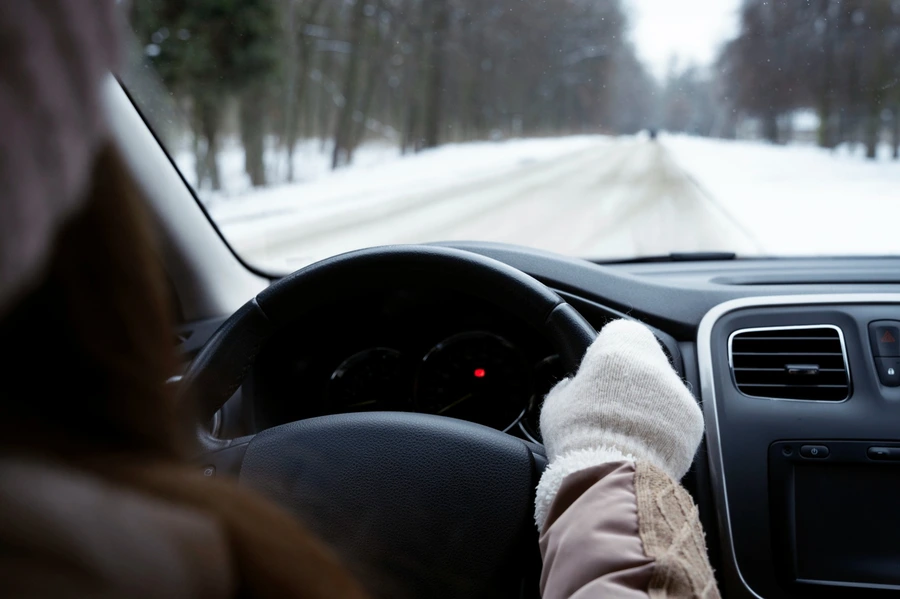
Winter driving can be unpredictable—even for experienced drivers. Snow, ice, freezing rain, and cold temperatures all demand more attention behind the wheel. As someone who works with drivers year-round, my goal isn’t just to help customers choose the right vehicle, but to help them stay safe and confident long after they leave the lot. These winter weather driving tips focus on simple habits that make a real difference when conditions are tough.
1. Slow Down and Give Yourself Extra Space
Winter roads reduce traction, even when they look clear. The most important adjustment you can make is slowing down and increasing your following distance.
In winter conditions:
-
Stopping distances are longer
-
Sudden braking can cause skidding
-
Extra space gives you time to react
Driving slower isn’t about being cautious—it’s about staying in control.
2. Be Smooth With the Controls
Winter driving rewards calm, steady movements. Sudden acceleration, sharp steering, or hard braking can quickly lead to loss of traction.
Focus on:
-
Gentle acceleration
-
Gradual braking
-
Smooth steering inputs
A steady approach helps your tires maintain contact with the road and keeps the vehicle balanced.
3. Clear All Snow and Ice Before Driving
Good visibility is essential in winter, and it starts before you even shift into gear.
Always clear:
-
Windshield and rear window
-
Side windows and mirrors
-
Headlights and taillights
-
Roof (to prevent snow from sliding forward while braking)
Taking a few extra minutes to clear your vehicle improves safety for you and everyone around you.
4. Know How Your Vehicle Responds on Slippery Roads
Every car handles winter conditions a little differently. Understanding how your vehicle behaves builds confidence and prevents panic.
Pay attention to:
-
How traction control engages
-
How the brakes feel on slick surfaces
-
How the steering responds during turns
If you’re unsure, practicing gentle starts and stops in an empty parking lot can help you learn your vehicle’s behavior safely.
5. Keep a Winter Emergency Kit in Your Car
Even short trips can take longer in winter weather. Being prepared adds peace of mind.
A basic winter kit might include:
-
Ice scraper and snow brush
-
Gloves and a warm blanket
-
Flashlight
-
Phone charger
-
Windshield washer fluid
You may never need it—but it’s reassuring to have.
6. Know When Not to Drive
Sometimes the safest choice is staying put. If conditions are severe and travel isn’t necessary, waiting it out can prevent unnecessary risk.
Listening to weather reports and trusting your instincts can keep you safe during the worst winter conditions.
Winter driving doesn’t have to be stressful. With slower speeds, smoother inputs, clear visibility, and a little preparation, most winter driving challenges become manageable.
I always remind customers that the best winter safety feature is good decision-making. Take your time, respect the conditions, and your vehicle will take care of the rest.


