
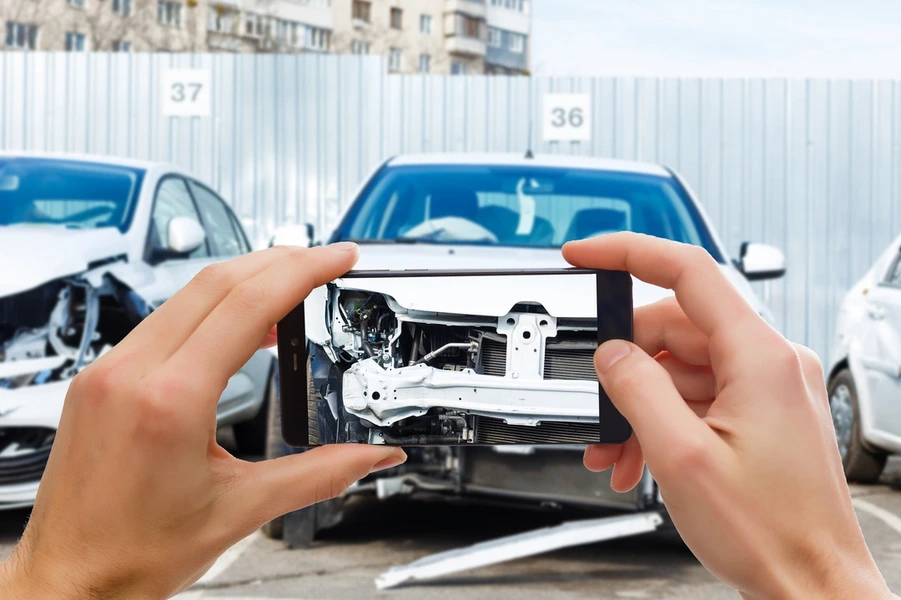
One of the biggest reasons drivers delay trading in their vehicle is the belief that it needs to be in perfect condition. The reality is, most trade-in vehicles aren’t perfect—and they don’t need to be. Dealerships evaluate vehicles every day with a wide range of conditions, and there are still opportunities to trade in even if your car has some wear or issues. As someone who works with trade-ins regularly, I’ve seen how understanding this can make the process much easier.
1. Most Trade-Ins Have Some Wear and Tear
Vehicles are used every day, so it’s normal for them to show signs of use over time.
Common examples include:
- Minor scratches or dents
- Interior wear
- Higher mileage
- Cosmetic imperfections
These things are expected and are already factored into the evaluation process.
2. Dealerships Evaluate the Whole Vehicle
Trade-in appraisals are based on a combination of factors—not just one issue. Condition is important, but it’s only part of the overall picture.
Dealerships typically consider:
- Mileage
- Overall condition
- Vehicle history
- Market demand
Even if your vehicle isn’t perfect in one area, it may still hold strong value in others.
3. Repairs Aren’t Always Necessary Before Trading In
Many drivers wonder if they should fix everything before trading in their car. In many cases, large repairs aren’t necessary.
It’s often better to:
- Focus on simple, low-cost improvements
- Avoid major repair investments
- Let the dealership assess what makes sense
Major repairs don’t always increase value enough to justify the cost.
4. Honesty Makes the Process Smoother
Being upfront about your vehicle’s condition helps create a more comfortable and efficient appraisal process.
Sharing information about:
- Known mechanical issues
- Previous repairs
- Vehicle history
helps avoid surprises and builds trust during the evaluation.
5. Trade-Ins Offer Convenience Regardless of Condition
Even if your vehicle isn’t perfect, trading it in can still be one of the easiest ways to move forward.
Trading in allows you to:
- Avoid the hassle of selling privately
- Skip advertising and meeting buyers
- Complete everything in one place
- Move directly into your next vehicle
Convenience is often one of the biggest advantages.
6. The Goal Is Progress, Not Perfection
Your vehicle doesn’t need to be flawless to serve its purpose in the trade-in process. It’s simply part of your transition to something that better fits your needs today.
Focusing on:
- Your current needs
- Your comfort and confidence
- Your next step
is often more important than trying to perfect your current vehicle.
You don’t need a perfect vehicle to trade it in. Most cars have some level of wear, and dealerships are equipped to evaluate them fairly based on the full picture.
I am here to make the trade-in process simple, transparent, and comfortable—no matter the condition of your vehicle.


