
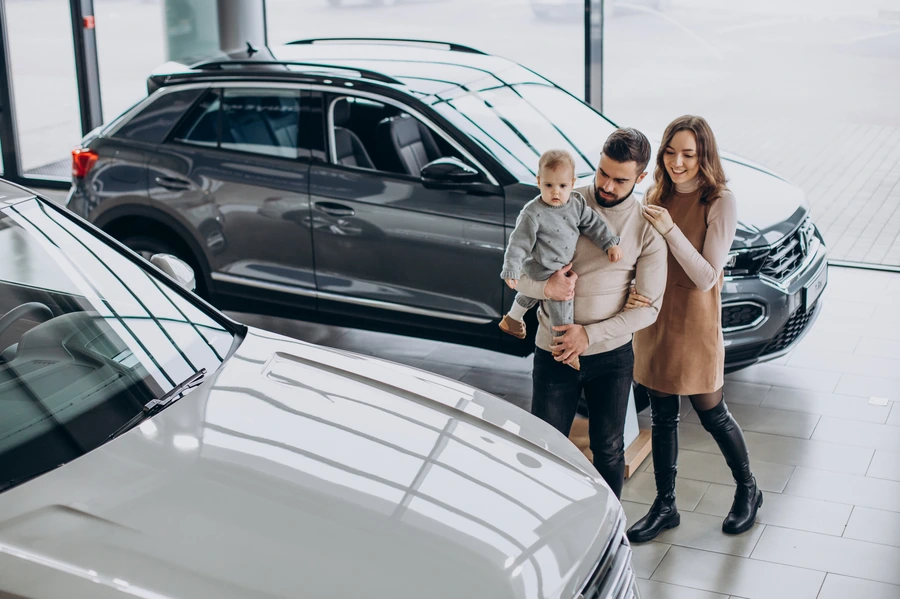
One of the most common situations car buyers face is narrowing their decision down to two vehicles. At first, that sounds like progress—and it is—but many buyers quickly find themselves stuck. They start comparing every feature, reading more reviews, and second-guessing their choices. Before long, what should be a simple decision feels more complicated than ever.
As someone who helps buyers make vehicle decisions every day, I've found that the easiest way to compare two vehicles is to focus on what will actually impact your daily life rather than getting lost in the details.
1. Start With How You'll Use the Vehicle
Before comparing features, remind yourself why you're buying a vehicle in the first place.
Ask yourself:
- What will I use this vehicle for most?
- How many passengers do I regularly carry?
- How important is cargo space?
- Do I spend most of my time driving in town or on the highway?
The vehicle that better supports your everyday routine should immediately move toward the top of your list.
2. Focus on the Differences That Matter
When buyers compare two vehicles, they often spend too much time looking at similarities and minor details.
Instead, focus on:
- Comfort
- Visibility
- Passenger space
- Cargo flexibility
- Ease of use
These factors often have a much bigger impact on ownership than small differences in specifications.
3. Compare the Driving Experience
Two vehicles can look very similar on paper but feel completely different on the road.
During your test drive, pay attention to:
- Steering feel
- Ride quality
- Braking confidence
- Driver visibility
- Overall comfort
The vehicle that feels more natural to drive is often the better long-term choice.
4. Think About Daily Convenience
Ownership is about more than driving. It's also about how easy the vehicle is to live with every day.
Consider:
- Loading groceries or luggage
- Access to rear seats
- Storage compartments
- Ease of parking
- Technology usability
Small conveniences often become the features you appreciate most over time.
5. Picture Yourself Owning Each Vehicle
One of the best exercises is to imagine each vehicle in your driveway for the next several years.
Ask yourself:
- Which vehicle feels like a better fit for my lifestyle?
- Which one would I be excited to drive every day?
- Which one solves more of my everyday needs?
The answer is often clearer than buyers expect.
6. Stop Looking for the Perfect Vehicle
Many buyers get stuck because they're trying to find a perfect vehicle. In reality, both vehicles may be excellent options.
Instead of asking:
- "Which vehicle is perfect?"
Ask:
- "Which vehicle is better for me?"
That simple shift often makes the decision much easier.
Comparing two vehicles doesn't have to be complicated. By focusing on your lifestyle, comfort, daily convenience, and driving experience, you can quickly identify which vehicle is the better fit.
At [Your Dealership Name] in [Dealer City], we help buyers look beyond feature lists and focus on what matters most—the vehicle they'll enjoy driving every day. When you focus on fit instead of perfection, the right decision often becomes clear.


